“Did you cheer the president?” Sawyer asked Jenner.
“I will certainly give him credit for that,” Jenner responded. “But not to get political, I’ve just never been a big fan. I’m kind of more on the conservative side.”
“Are you Republican?” Sawyer asked.
“Yeah,” he said with a smile. “Is that a bad thing? I believe in the Constitution.”
As the nation’s only organization representing LGBT conservatives and straight allies, Log Cabin Republicans congratulates Bruce Jenner in the tremendous courage he demonstrated tonight, being true to himself both in terms of his personal identity as well as his political identity. There is a home for you in Log Cabin Republicans — as there is for all lesbian, gay, bi-sexual, and transgender conservatives and straight allies.
How could Iraqi Baathists, known for their secular ideology, find common ground with radical Salafist groups? While the presence and strength of former Baathist officers in IS appears contradictory it reflects the influence of the Jaysh Rijal al-Tariq al-Naqshbandi (JRTN), a group of Saddam’s former officers and Sunni Arab tribes that formed in reaction to the post-2003 Iraqi order. Led by Izzat al-Douri, Saddam’s former vice president and deputy chairman of the Iraqi Revolutionary Command Council (proclaimed to be killed in a recent battle in Tikrit), the JRTN represents a fusion of Islam, Sunni Arab identity and Iraqi nationalism.
This fusion can be traced to the early 1990s, when Saddam commenced his Islamic faith campaign to consolidate Baath Party power. The campaign reflected geopolitical challenges and Iraqi security priorities after the 1979 Islamic Revolution in Iran, the Iran-Iraq War (1980-1989) and Saddam’s attempts to control the “Zoroastrian” Iran and Persian-Shiite threat. It involved the Baath Party’s direct control of all religious policies and institutions in Iraq, creating Islamic structures, recruiting networks of spies and Islamic activists to work for the regime, and embedding Baath Party structures, members and security organs into religious circles.
By the late 1990s a “religious deep state” had emerged in Iraq, whereby most Sunni Islamic leaders and institutions that were created, co-opted and/or controlled by the regime were now inside the state. One of these institutions was the Islamic University of Baghdad, attended by Abu Bakr al-Baghdadi, current leader of the so-called IS caliphate. …
The former colonel in the intelligence service of Saddam Hussein’s air defense force had been secretly pulling the strings at IS for years. Former members of the group had repeatedly mentioned him as one of its leading figures. Still, it was never clear what exactly his role was.
But when the architect of the Islamic State died, he left something behind that he had intended to keep strictly confidential: the blueprint for this state. It is a folder full of handwritten organizational charts, lists and schedules, which describe how a country can be gradually subjugated. …
ISIS: Inside the Army of Terror, by Michael Weiss and Hassan Hassan, paints a gripping and disturbing picture of this new “caliphate” in the Levant and Mesopotamia. In the most comprehensive account to date, the authors chronicle ISIS’s roots as the Iraqi franchise of al-Qaeda under its founding father, Abu Musab al-Zarqawi, its near defeat at the hands of Americans and Iraqi militias in Anbar Province, its rebirth during the Syrian civil war, and its catastrophic return to Iraq as a conquering army last summer. …
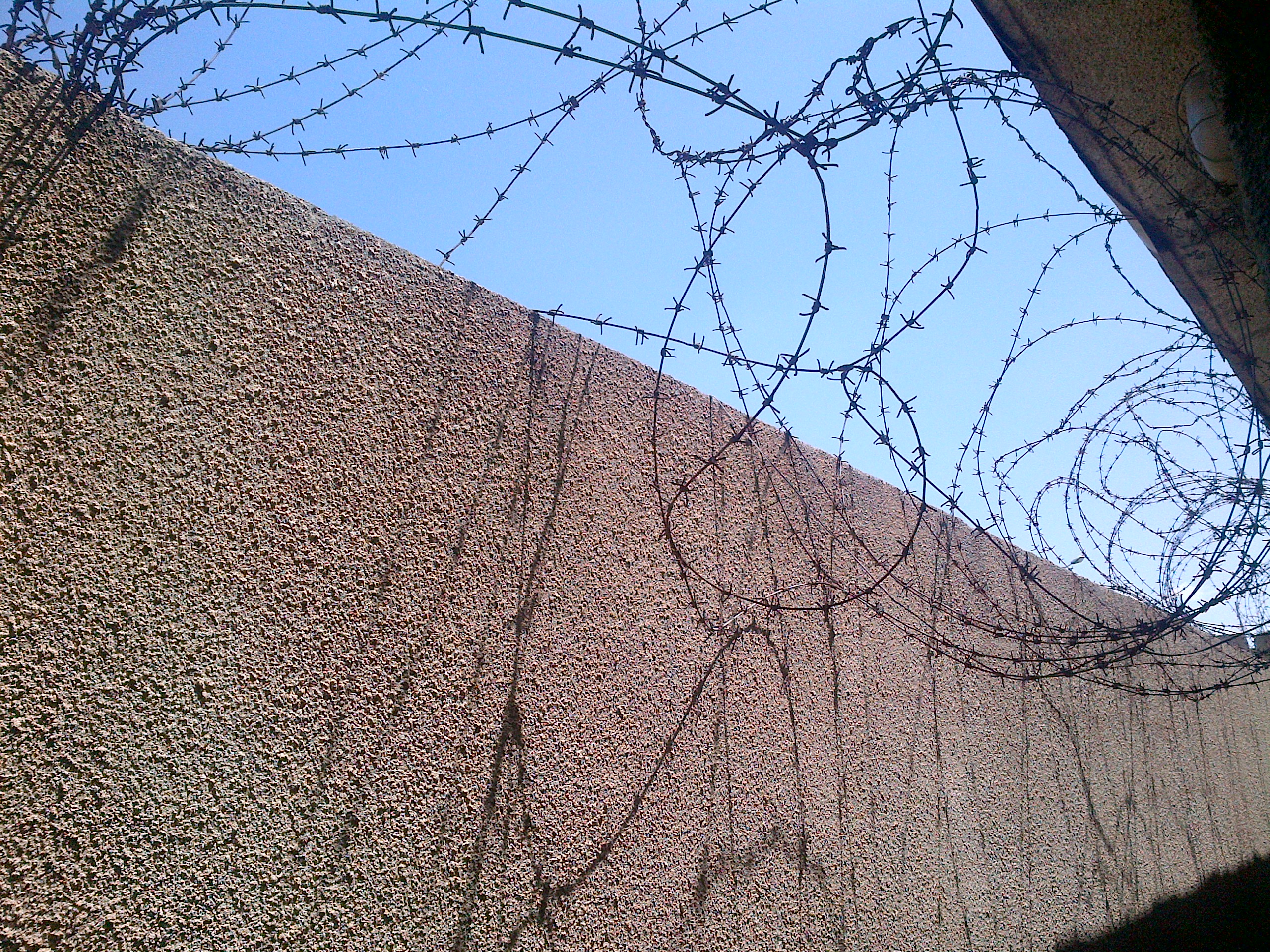
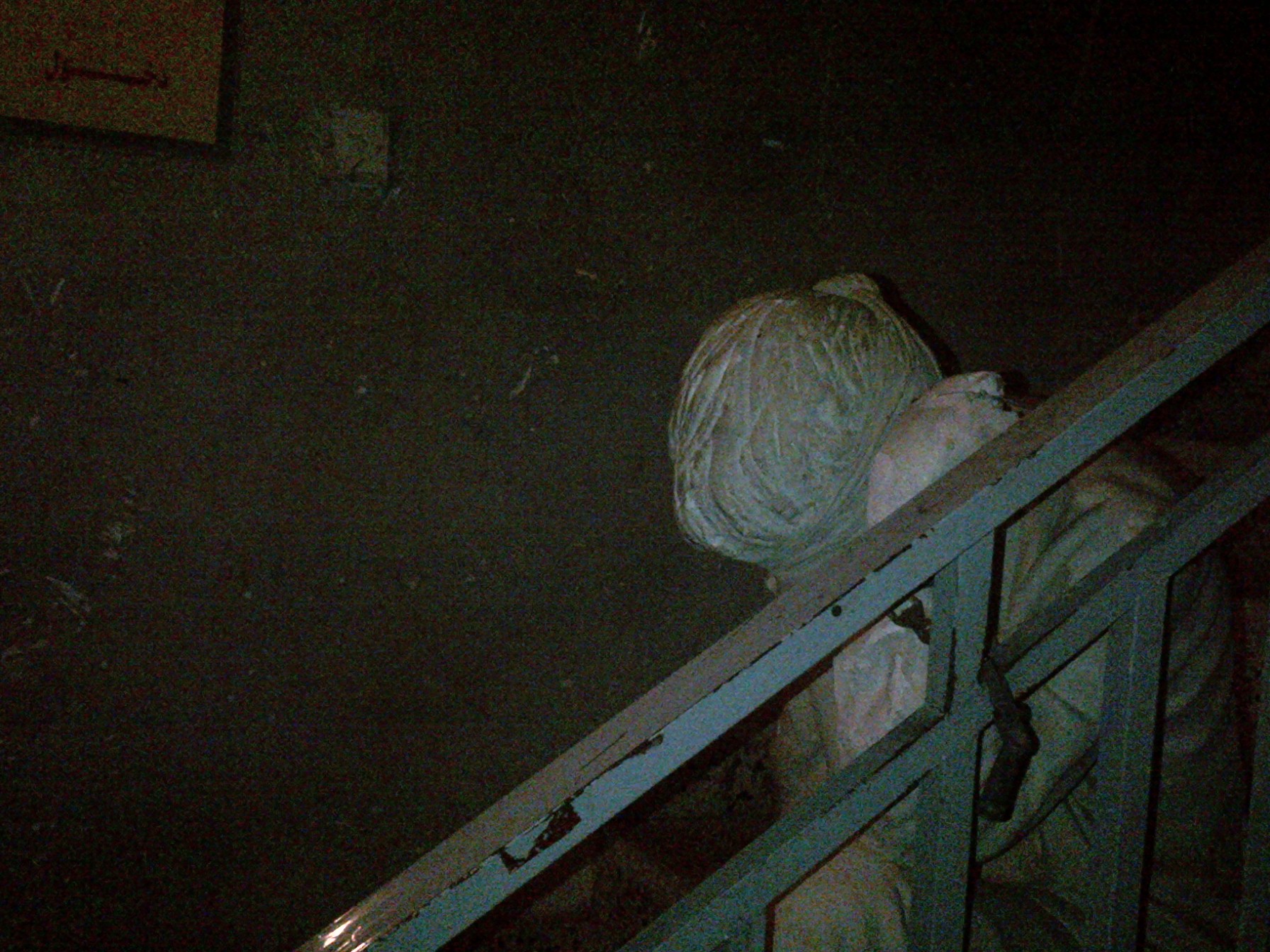
Not the most enjoyable part of my visit to Kurdistan, but certainly one of the most important. Amna Soraka (“Red Security”) is the building in central Sulemania that formerly housed one of Saddam’s most notorious prisons and torture chambers.
Others see it as one more erasure of lesbian cultural autonomy.
The era ending is that of the decades-long women-only festival known as MichFest, which turns 40 this August. While MichFest has never been promoted as a lesbian event, it has always been promoted as a women-only event and there’s no question that it has been a majority lesbian event since its inception.
This is why MichFest has been so vital to lesbian community. And also why for a good half of its existence MichFest has been mired in controversy. …
It was controversial because of the festival’s stated policy of being open exclusively to “womyn-born-womyn”, i.e. no transgender people of any stripe welcome. This became increasingly a point of conflict in an increasingly trans-inclusive feminist/lesbian community, and led to calls to boycott MWMF.
I got a ride to Sulemania from a knowledgeable Kurd, and asked him about the economy. He helped fill in some of the gaps.
The effect of the Daesh attacks in Iraq, he said, was significant, but the main factor hurting the Kurdish economy has been Baghdad’s embargo of funds to Erbil. This didn’t happen in a vacuum or because of Daesh – it was to penalize Erbil for oil exports that Baghdad saw as conducted illegally without clearance from the central Iraqi government.
I spent today taking a day trip out of town. My driver, host, and tour guide was a young man named Saleh, recently graduated with a degree in English. He filled me in on a few things.
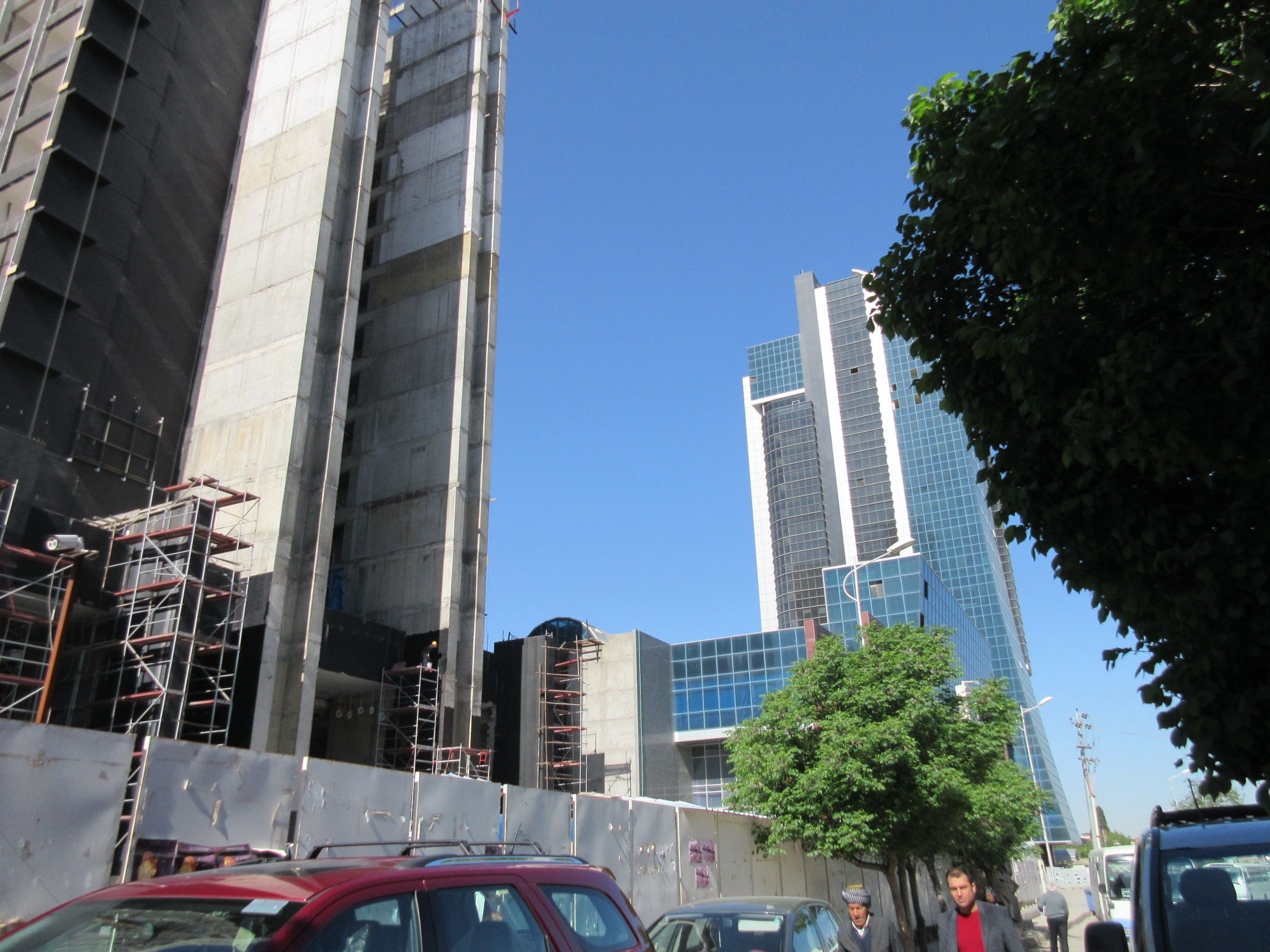
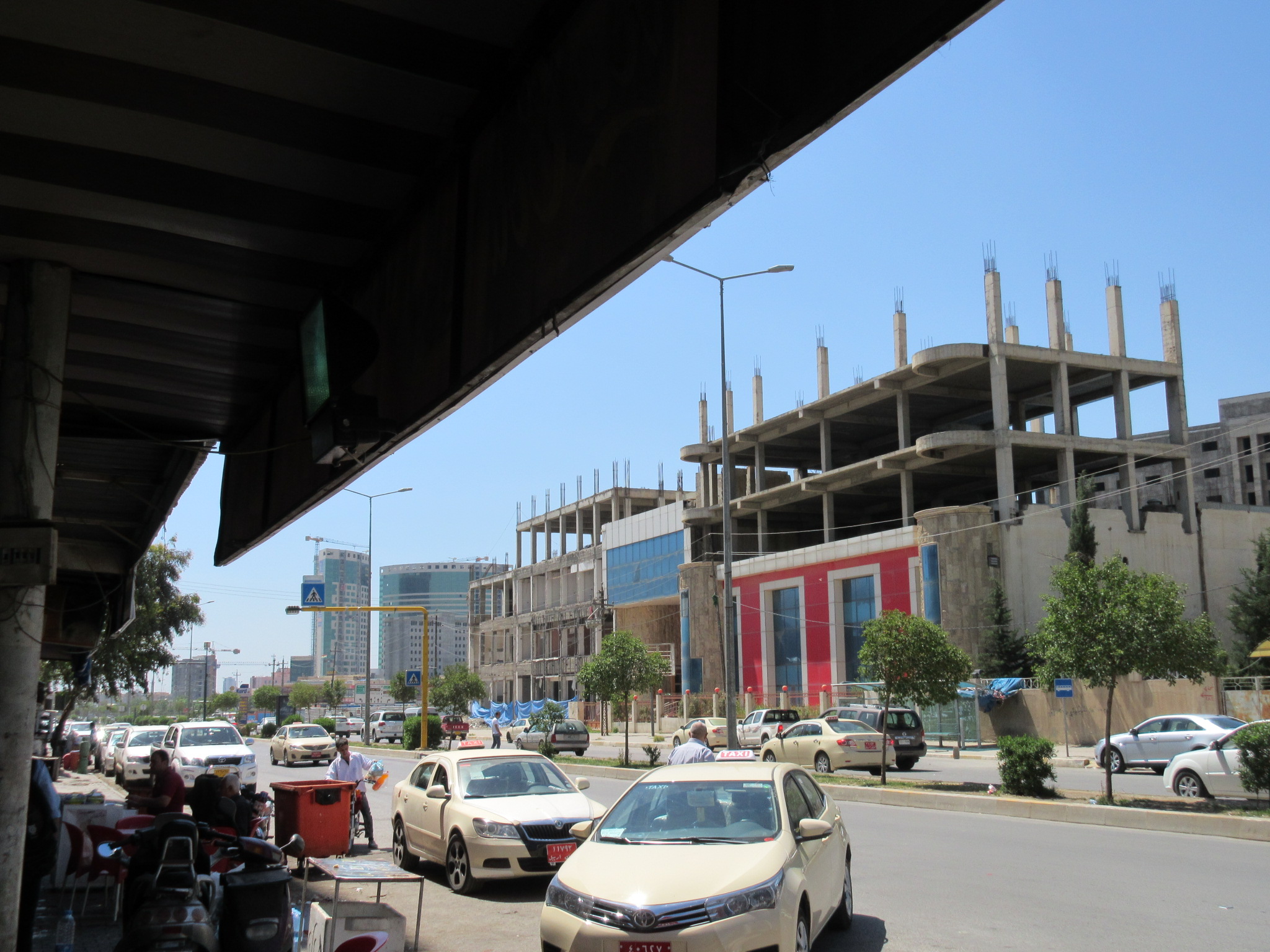
Many new buildings are being built, but many others stand unfinished. Unfinished roads and half-built overpasses litter the landscape. The latter are a casualty of the government budget: Erbil is entirely dependent on Baghdad for its revenue, and Baghdad has defaulted on payments to the Kurds. (Remember, the Kurdistan region is still officially part of Iraq.) As for the private sector, some foreign investors were scared off by Daesh; there was also the problem of foreign laborers absconding with their advance pay and fleeing to Turkey.
The Daesh attacks further strained relations between Arabs and Kurds, too, leading to Arab families being delayed and harassed at Kurdish checkpoints and vice versa. This doesn’t do anything to make Korek an attractive destination for a family from Baghdad.
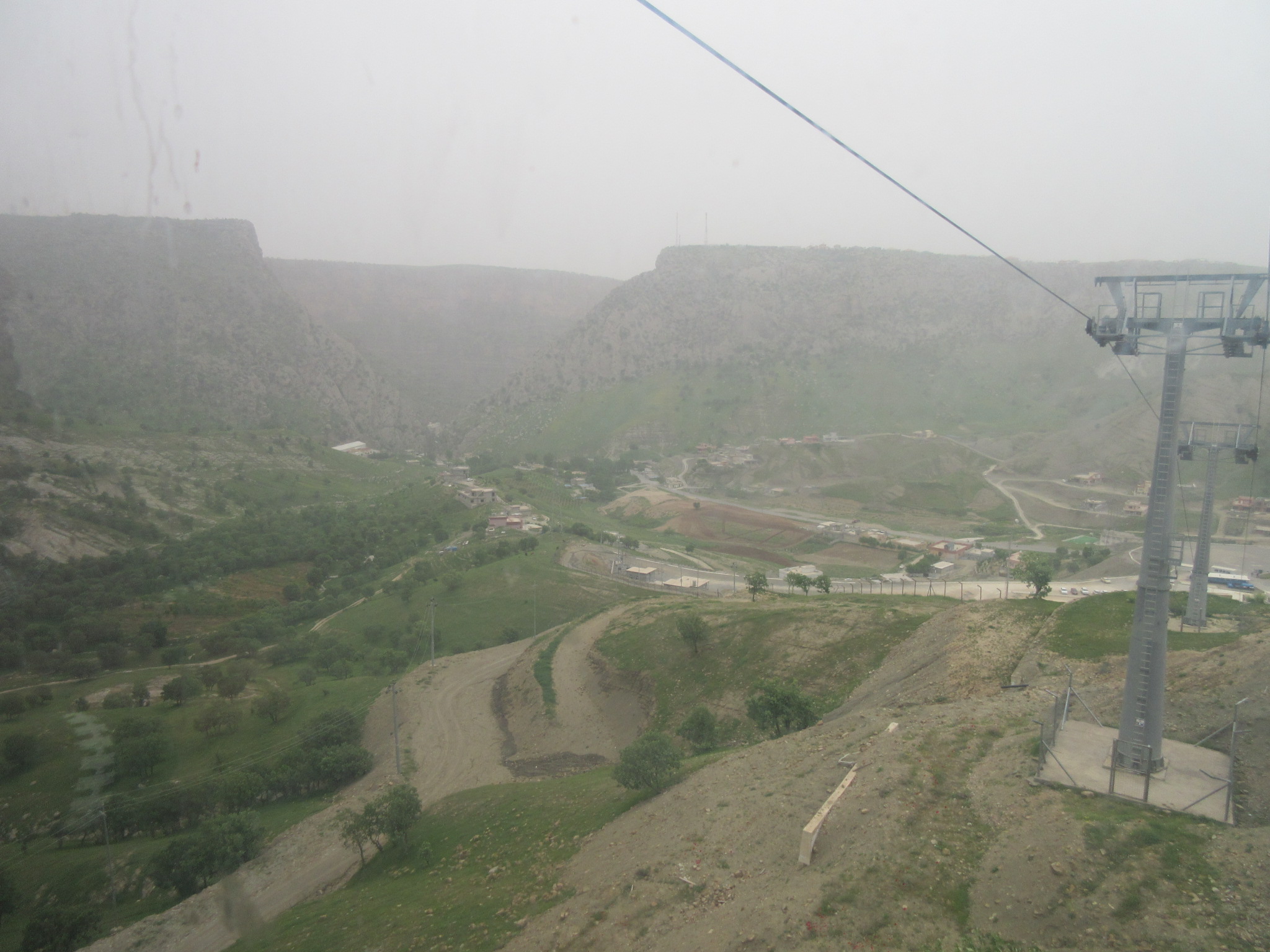
Saleh took me to the Korek Mountain Resort where we took the Teleferic (aerial tram) for a magnificent, though cloudy, view from the mountains. (A word of caution: if dangling hundreds of feet over rocky terrain isn’t your idea of a good time, you might want to skip this.) It looked like a mountain resort anywhere in America, and a year ago it was packed, he told me. But now it’s almost completely deserted.
Off-season.Not for the faint of heart.Peshmerga training camp, junior division.
We also stopped at Bekhal, a waterfall where you can take off your shoes and climb several sets of very slippery, wet stone steps to view the source of the mountain spring. I made the climb, somehow overcoming my fear of slipping and breaking my neck. The mountain tram was exciting enough, but the climb at Bekhal was absolutely terrifying. And this site, too, looked like it was built for huge crowds who had simply forgotten to show up.
The most dangerous thing I did in the Middle East.
At the risk of being tedious, I’m going to do one more post on modern Erbil.
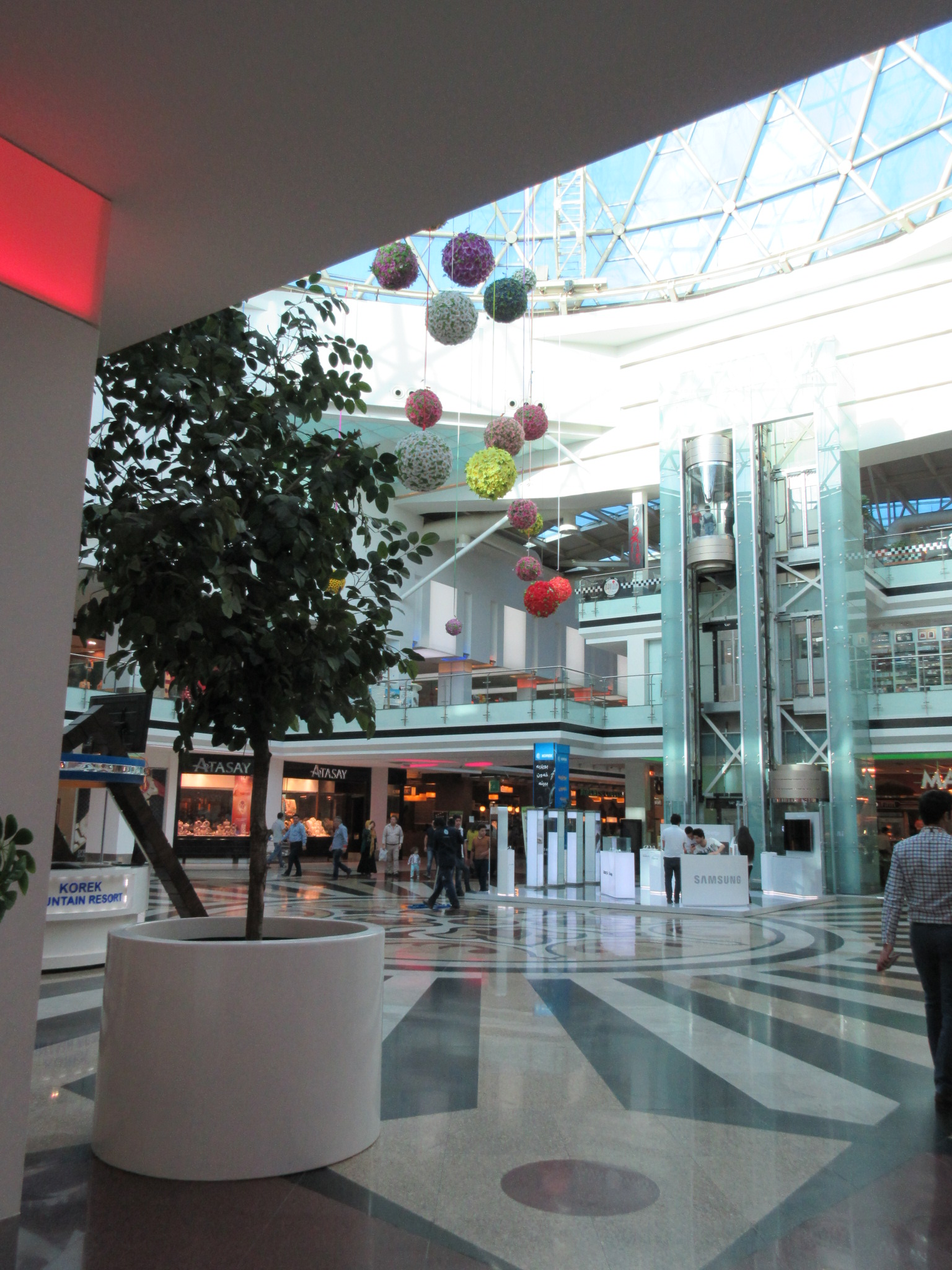
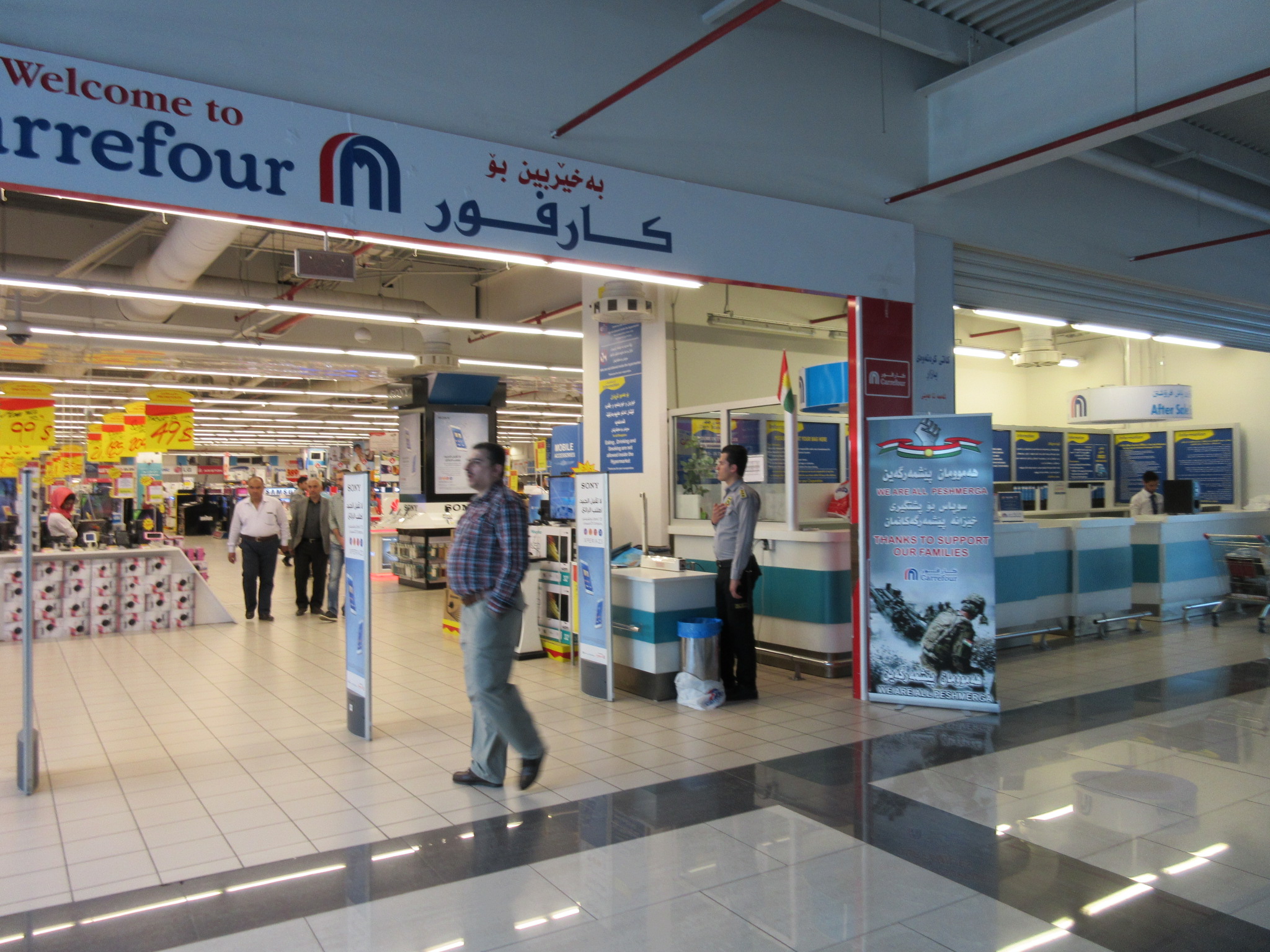
These pictures are from the Family Mall, Erbil, just two years old, located on Peshawa Qazi at about two o’clock on Erbil’s coordinates. The name is in English – the Arabic writing on the sign is simply the words “Family Mall” transliterated into Arabic (or more precisely, Kurdish) script.
The French hypermarket Carrefour is represented there, as is the regional housewares chain Istanbul Home, and there’s a KFC. The place is huge – these few pictures don’t do it justice. I am reliably informed that it gets up to 30,000 visitors on a weekend. You might forget that the place is located in Iraqi Kurdistan if it weren’t for the booths calling for donations to support Peshmerga families. (In fact it occurred to me that somebody might look at these pictures and say “Get out of here! That ain’t in no Kurdistan.” Which is why I included that picture.)
Rawand took me for a brisk tour of the mall, and we stopped for a glass of juice. (The Kurds are big juice drinkers.) He stopped at the bank to change some currency and we headed on out. As we were leaving, he called my attention to one of the cleaning workers pushing a broom.
“Almost all of those guys are foreign workers,” he said, young men from third-world countries. This is the challenge of Kurdistan’s new-found prosperity: young men are now unwilling to do what they consider to be menial jobs. It’s a problem Kurdish society will have to deal with.
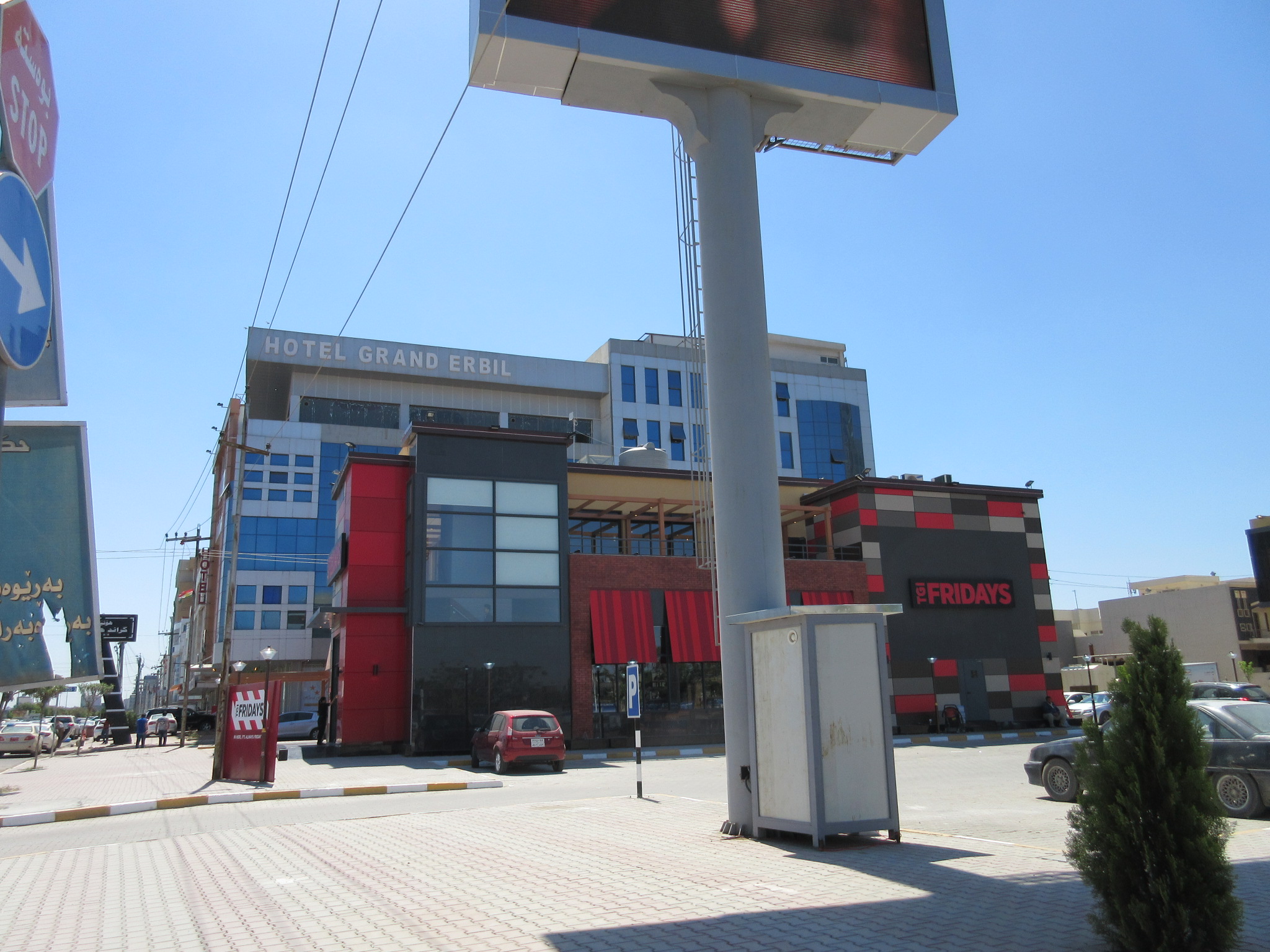
It’s located on the road running from ‘Ainkawa to Erbil City Center, and is one of the places I passed yesterday on my way into town. Only I didn’t just pass it, I went in.
This isn’t one of those Middle Eastern knock-offs of American brands; it is the real thing. The decor inside is just as you’d expect from any TGIF location in the States. (As a courtesy to the staff and patrons, I resisted the temptation to snap a bunch of photos inside, but I was tempted.) Immediately I was set upon by friendly, helpful waiters and shown to a table. The patrons were a mix of Westerners and Middle Easterners; there was a group of three or four laughing girls in Muslim headscarves at a nearby booth. If I had to pick one word to describe the mood overall I’d say it was cheerful.
I ordered something light (juice, salad, bread) and enjoyed the food and the atmosphere. The place was brand new – it only opened last week – and they were determined to make a good impression. The staff were English-speaking and almost entirely Filipino (because of course) and very courteous and professional (like I said, Filipinos).
On my way out, I chatted briefly with the manager, and this is what he told me:
This is our fourth day. We opened on Thursday, so today is our fourth day. Is it hard to recruit staff to work here? No, not at all. We bring staff from the Philippines, Egypt, and some other places. Most of our customers are American, Kurdish, Lebanese, Egyptian, and some from Russia.
The staff don’t speak much Kurdish or Arabic, mainly English. They know how to say what is a chickenburger, what is beef, and that’s about it. So our language is Friday’s language – English.
I like the people here, they’re very nice. Business is very good, better than we expected. And it’s so green here – I worked in Kuwait six years before this, and Kuwait is all desert. But here it’s green.
You might wonder why I’m sitting in an ancient Middle Eastern city and writing about an American restaurant. But the economy in Erbil is growing incredibly fast, and Erbil stands poised to become a world-class city. For the Kurds, who have suffered so much for so long, this will be a good thing.
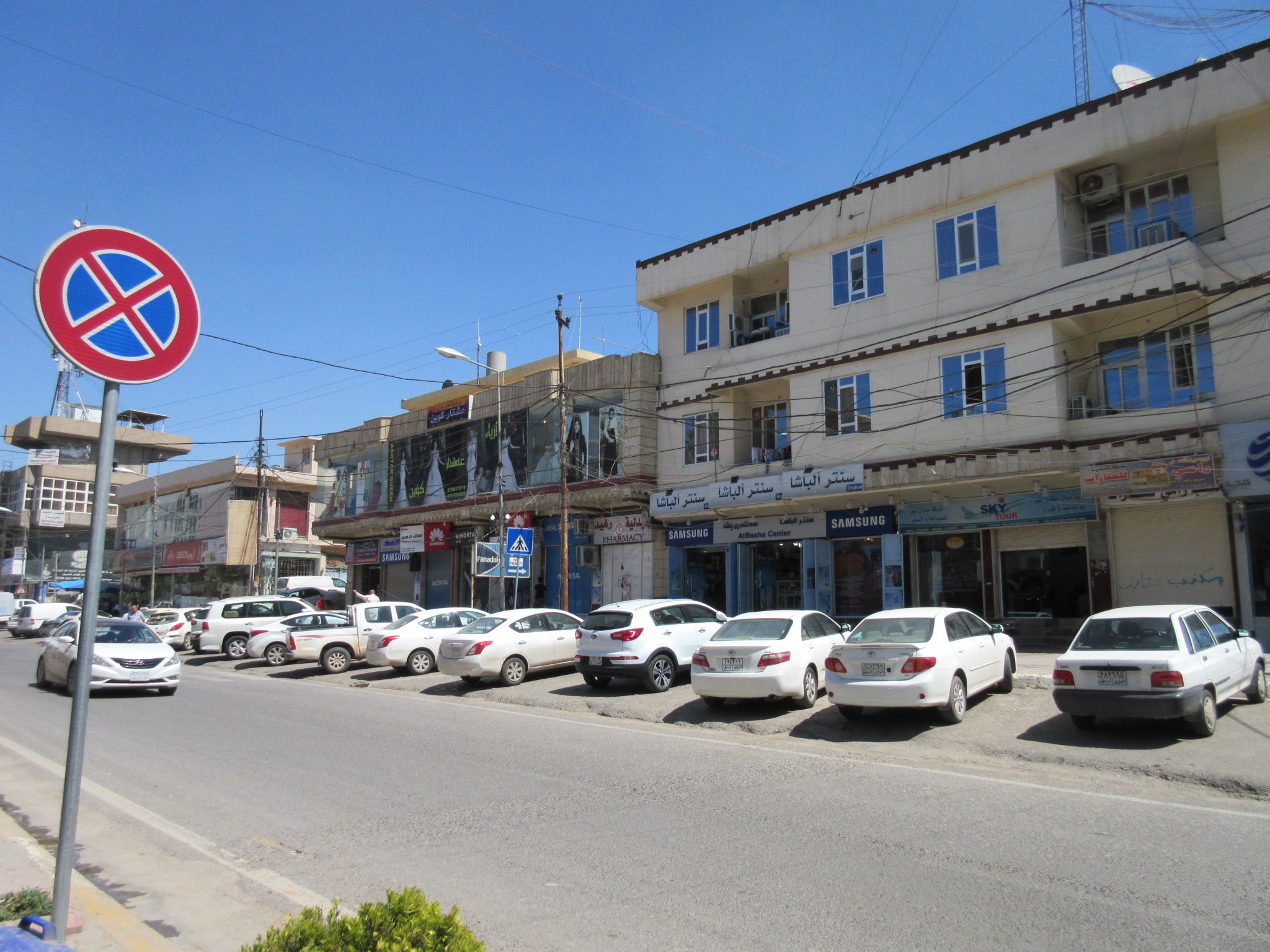
This morning I walked from ‘Ainkawa to the Citadel at Erbil City Center. (Erbil is shaped like a wheel with spokes, and the “city center” is very literally at the center.) This is what I saw along the way.
I’m told that in 2003, the stretch between Erbil and ‘Ainkawa was empty land. After Saddam’s fall, the Kurds gained equal citizenship in Iraq and the ability to hold passports and travel freely. Cultural, educational, and economic opportunities opened. The sectarian/civil war that enveloped Arab Iraq from 2006 onward never happened in Kurdistan.
Rawand, my host and guide for this visit, told me that the current economic boom is fueling a construction boom in this area, and you can see it here. To my right as I approached the city center was Abu Shahab City, one of a number of upscale communities springing up here. Another is Dream City, home to the famous White House replica which I saw but didn’t photograph.
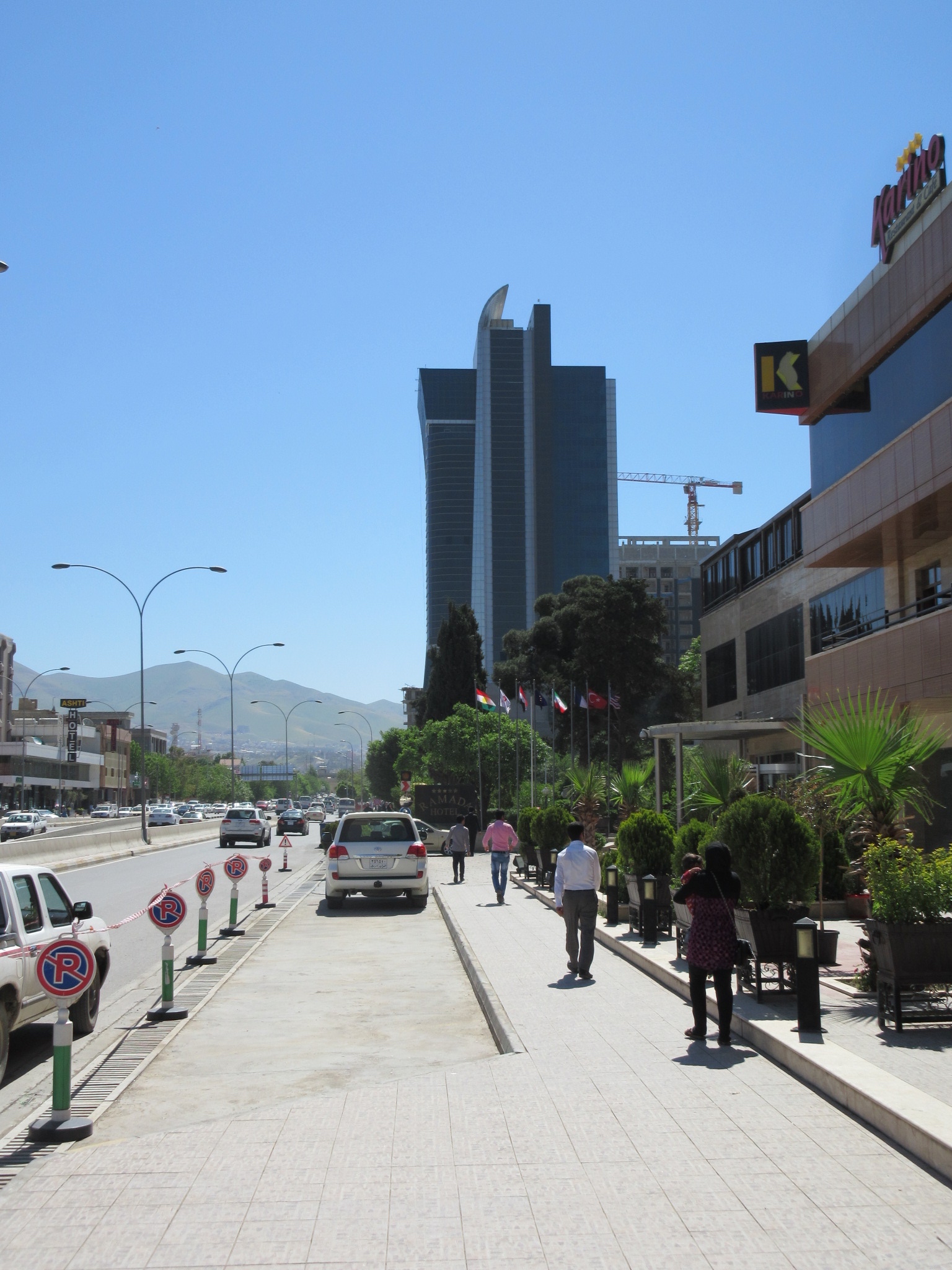
These pictures were taken along the length of the street that runs in a radial line from the Qalat (Citadel) to ‘Ainkawa. Intersecting it is Gulan Street, which runs circumferentially around the core of Erbil. Along Gulan you can see block after block of housing and office buildings being put up. There’s also an American-style mall and restaurants, including Hardees, KFC, and one other well-known chain that just opened their first location here last week.
We are 30 miles from the front lines. In the darkest days of the Islamic State onslaught last August, the enemy was within 5 miles of Erbil Airport. Only US air strikes, Rawand told me, held them off.
“The Kurds are targeted by all the people who hate America,” he said.













 Freedom and Power