Erbil Construction Boom

IMG_0415 IMG_0420 IMG_0424 IMG_0427 IMG_0429 IMG_0431

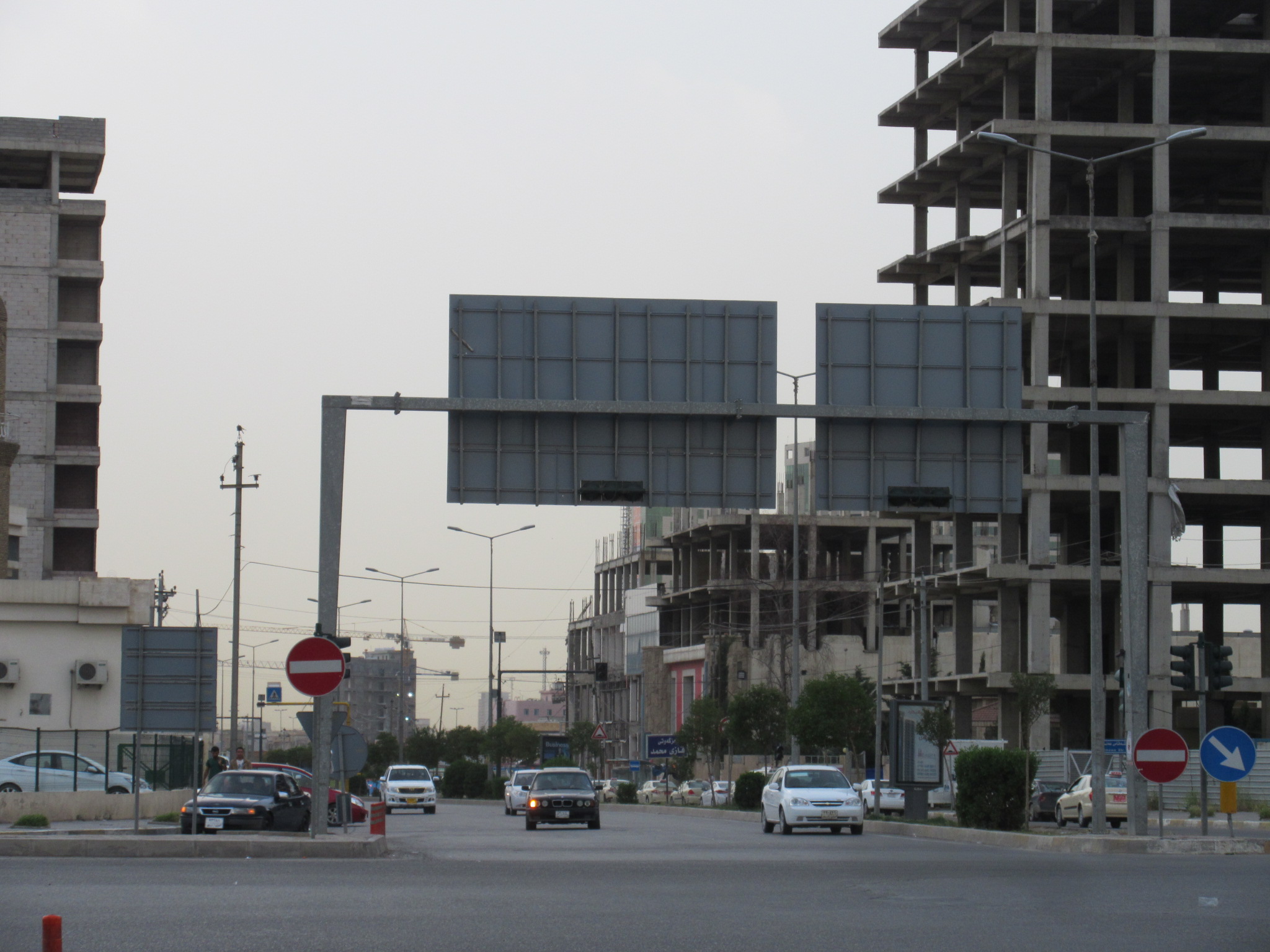
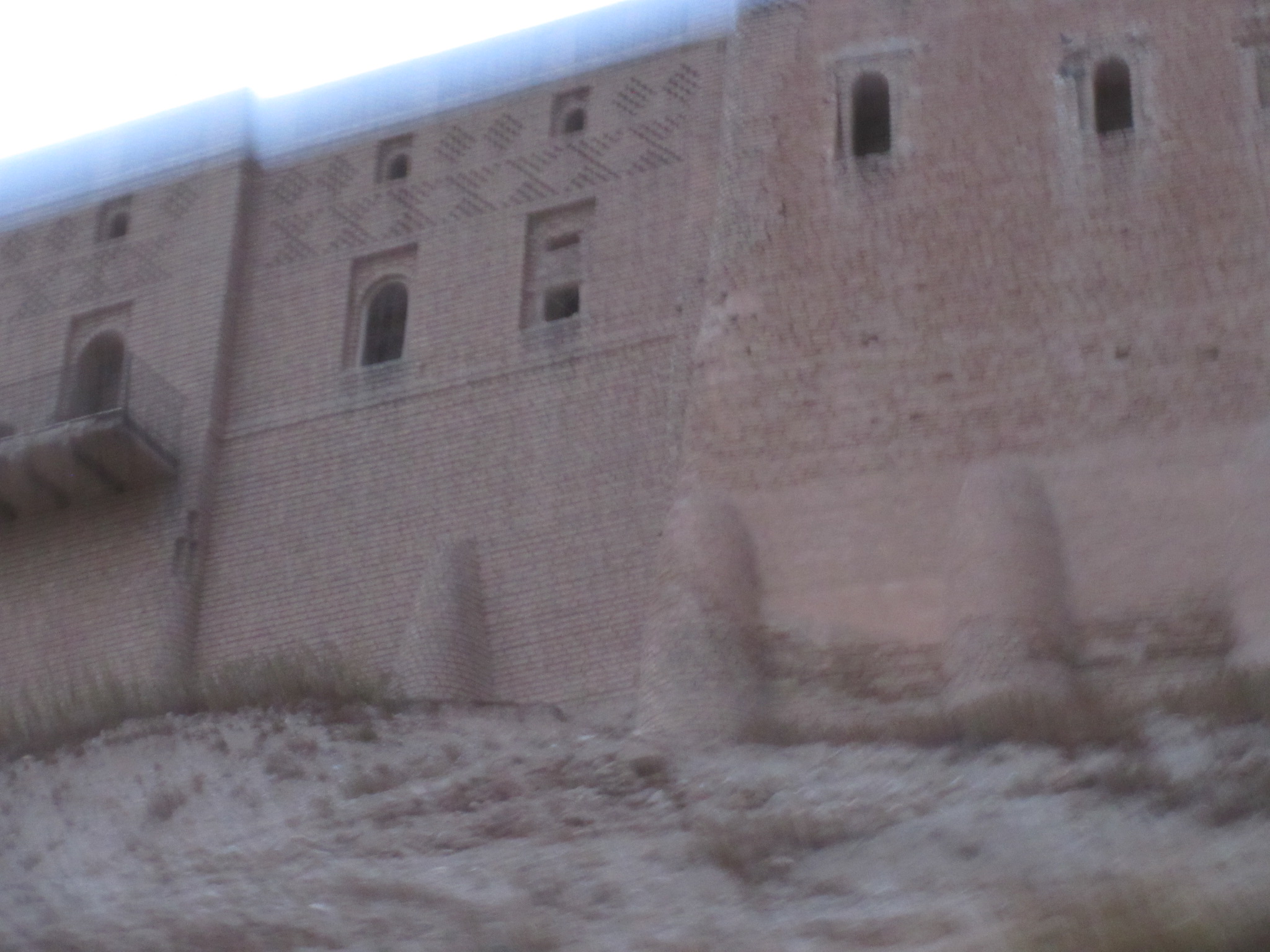
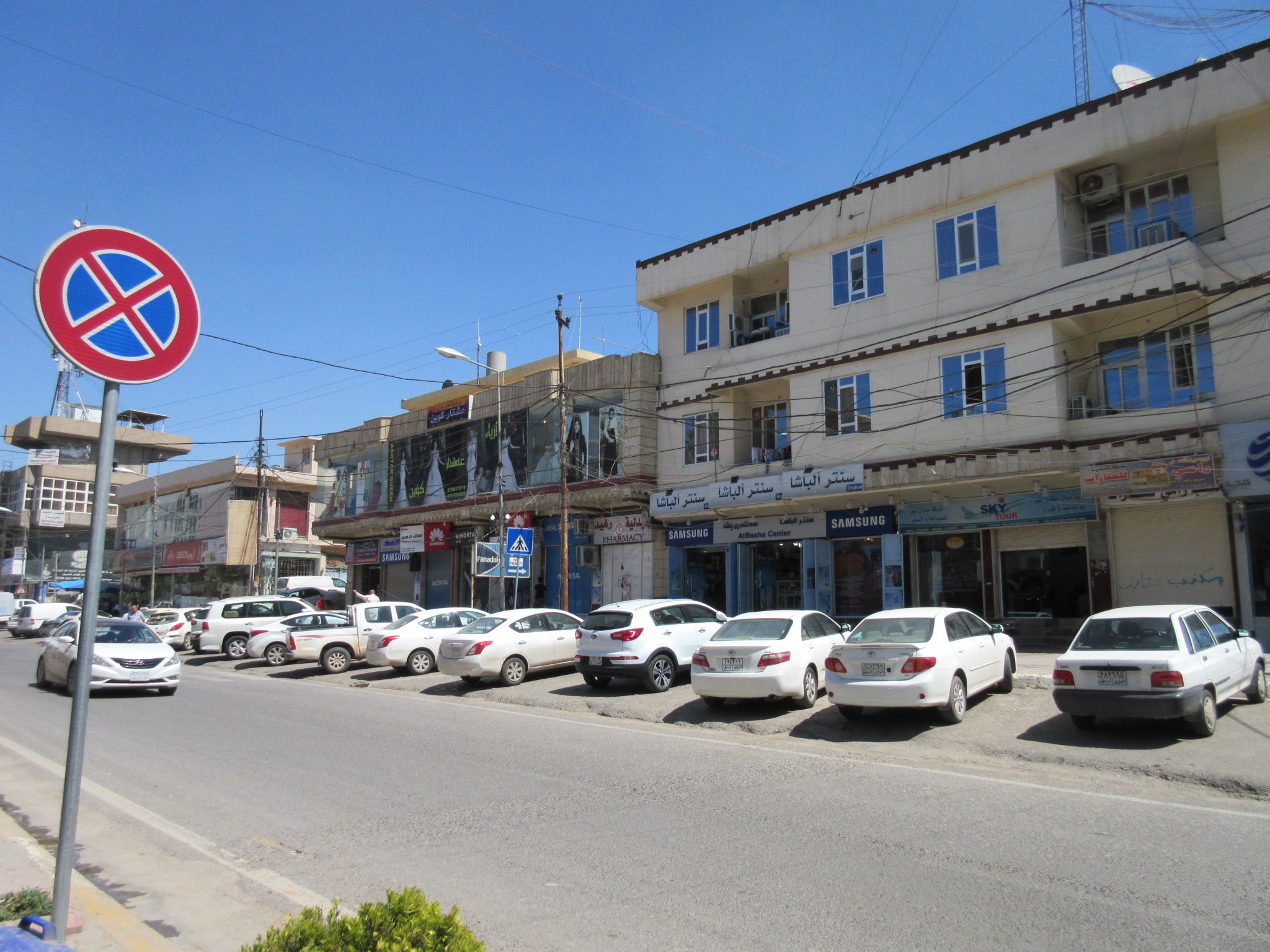
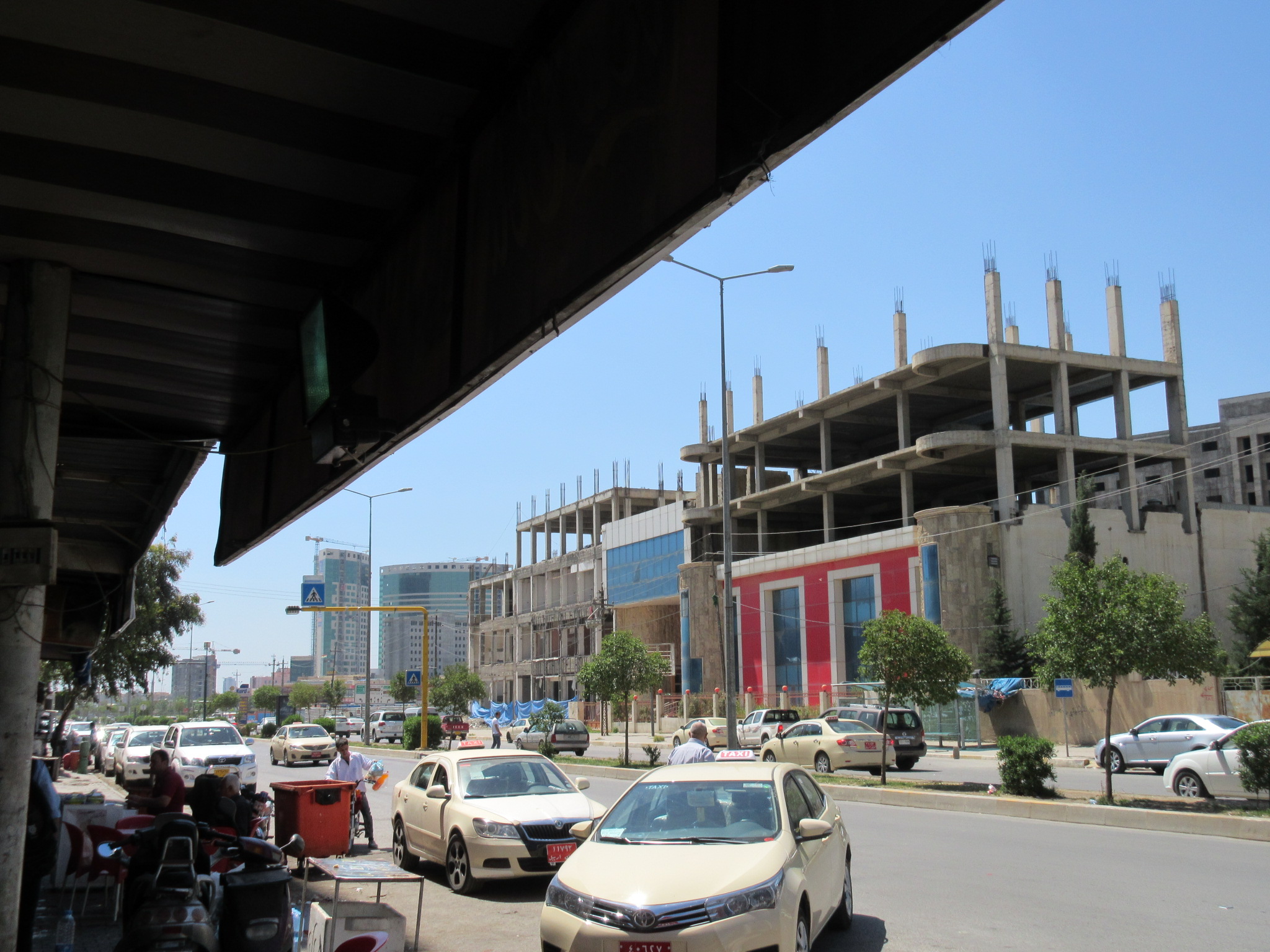
This morning I walked from ‘Ainkawa to the Citadel at Erbil City Center.  (Erbil is shaped like a wheel with spokes, and the “city center” is very literally at the center.)  This is what I saw along the way.

I’m told that in 2003, the stretch between Erbil and ‘Ainkawa was empty land.  After Saddam’s fall, the Kurds gained equal citizenship in Iraq and the ability to hold passports and travel freely.  Cultural, educational, and economic opportunities opened.  The sectarian/civil war that enveloped Arab Iraq from 2006 onward never happened in Kurdistan.

Rawand, my host and guide for this visit, told me that the current economic boom is fueling a construction boom in this area, and you can see it here.  To my right as I approached the city center was Abu Shahab City, one of a number of upscale communities springing up here.  Another is Dream City, home to the famous White House replica which I saw but didn’t photograph.

These pictures were taken along the length of the street that runs in a radial line from the Qalat (Citadel) to ‘Ainkawa.  Intersecting it is Gulan Street, which runs circumferentially around the core of Erbil.  Along Gulan you can see block after block of housing and office buildings being put up.  There’s also an American-style mall and restaurants, including Hardees, KFC, and one other well-known chain that just opened their first location here last week.

We are 30 miles from the front lines.  In the darkest days of the Islamic State onslaught last August, the enemy was within 5 miles of Erbil Airport.  Only US air strikes, Rawand told me, held them off.

“The Kurds are targeted by all the people who hate America,” he said.

Erbil Car Bomb Attack

I’m writing from Erbil, where I’d planned what I assumed would be an interesting but uneventful visit for a couple of weeks.

About 24 hours after I checked in at my hotel, I was resting up from the flight when I heard a loud BOOM outside, not too far from the hotel, followed by an intermittent popping sound like firecrackers.  “Gee,” I thought, “If I were in the Middle East, I might think it was a terrorist attack.  Oh, wait ….”

I looked out the window.  People appeared to be mostly going about their business; if I was expecting mass panic, it was not to be found.  A few people were talking apprehensively to one another, or talking on cellphones or listening to radios pressed to the ear.  Within a few minutes, the sirens started.

You couldn’t see the attack site directly from my location, but you could see a column of smoke rising from behind the intervening buildings.

Erbil 2015-04-17.
Erbil 2015-04-17.
Erbil 2015-04-17.
Erbil 2015-04-17.

There’s not much to see in these pictures, but now you know what a traffic jam in Erbil looks like.

Rudaw reports that two Turkish nationals of Kurdish background were killed and a number of others, including an American woman, were injured.

ERBIL, Kurdistan Region – An explosives expert said Islamic State used a form of plastic explosive known as Composition C-4 in its suicide car bombing on Friday in Erbil, producing a massive blast that killed two civilians, now known to be Turkish citizens, and the attacker.

The bombing occurred near the heavily guarded entrance to the US Consulate in the historically Christian district of Ainkawa, a neighborhood popular with foreigners. Security officers attempted to stop the vehicle when it detonated its C-4 payload, torching nearby vehicles and injuring eight civilians, including a young American woman who received cuts and burns.

Terrorist attacks in Erbil are not unknown but they are extremely rare.  The last one that got through was in 2013.